Yale


-
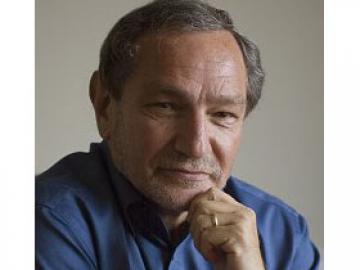
How Can We Plan For the Long Term?
Businesses need to try to peer 30 or more years into the future as they make investment decisions. How can they separate long-term trends and opportunities from the rush of the present? Strategist George Friedman, author of The Next 100 Years, says to look at constraints, not possibilities.
-
Do We Need More Ecological Intelligence?
Daniel Goleman, the author of the bestselling Emotional Intelligence, says that the growing field of industrial ecology can give us simple ways to evaluate the relative environmental impacts of consumer products—and help us restore a lost capacity for understanding our surroundings.
-

When Is Financial Sustainability The Wrong Goal?
Should mission-driven nonprofits put money aside for a rainy day or spend what they have meeting the present needs of the people they serve?
-
What is Ecological Economics?
Robert Costanza is one of the founders of a trans-disciplinary effort to understand how economics is embedded in the broader ecosystem that supports all human activity. From this perspective, he sees both limits for economic growth and opportunities to improve long-term human well- being.
-
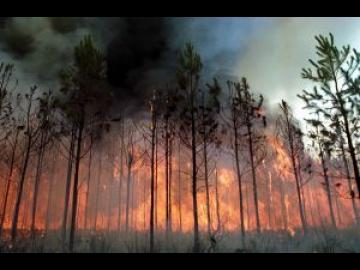
What If The Future Is A Disaster?
The future is not only the domain of economic projections. Writers have long imagined future worlds where life is a totalitarian nightmare, or hubris has led to nuclear or environmental catastrophe. While each dystopia contains unique horrors, the stories often spring from the same well — a feeling that the way we're living now is unsustainable.
-
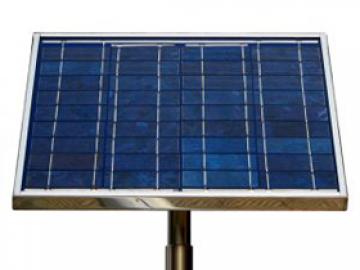
Where Will Our Energy Come From?
Vast reserves of natural gas in Appalachian shale could shift the entire energy market. Indeed, if gas prices fall, the challenge of increasing the use of renewable sources of energy will rise
-
How Do Corporate Leaders Think About Sustainability?
Solving problems on the scale of climate change will require that businesses change what they sell and how they operate. The founder of a consulting firm specializing in sustainable business talks about how environmental issues are seen by executives and the business opportunities in sustainability.
-
Is Optimism Rational?
We learn in kindergarten to look on the bright side. But is optimism good for us?
-

What was Polaroid Thinking?
The basis for the instant camera was a chemical process that mimicked the darkroom. However, Polaroid was not unaware of the progress of electronic imaging
-
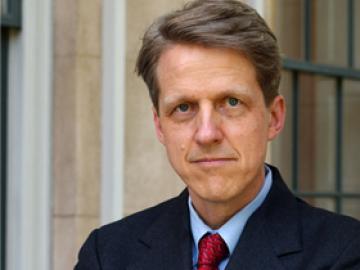
Robert Shiller: Economists Need to Take a Closer Look at How People Make Decisions
Decades of economic research have assumed people pursue their goals in a rational manner, discounting the effects of emotion, bias, error, and other irrational forces. Robert Shiller, Arthur M. Okun Professor of Economics at Yale University, argues that economists need to take a closer look at how people make decisions
-

What Do We Owe the Bottom Billion?
Princeton philosopher Peter Singer has been a prominent, often controversial, figure. His most recent book, The Life You Can Save, looks at the responsibilities of individuals for addressing global poverty.