Yale



-
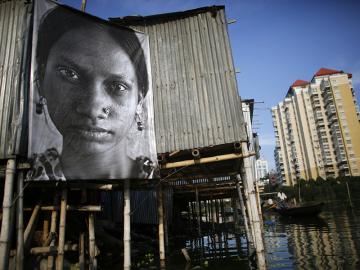
Can we create affordable housing in the world's fastest-growing cities?
More than half the planet's population lives in urban areas, and cities are absorbing most of the world's population growth, putting pressure on the limited supply of housing. Ira Peppercorn '85, a consultant on international development, says that creating affordable housing in the developing world requires truly understanding how people in those communities live.
-

Does taking photos make experiences more enjoyable?
With the rise of the smartphone, the use of digital photography has exploded -- and with it concerns that we are paying more attention to documenting our lives than living them. In a new study, Yale SOM's Gal Zauberman investigated whether taking photos diminishes or enhances experiences.
-

What happens when the same investors own everything?
Since their creation, index funds have allowed investors to diversify their holdings at a low cost. But according to research by Yale SOM's Florian Ederer, all of that diversification has a surprising side effect: in many industries, companies are owned by an overlapping set of investors, reducing their incentive to compete.
-
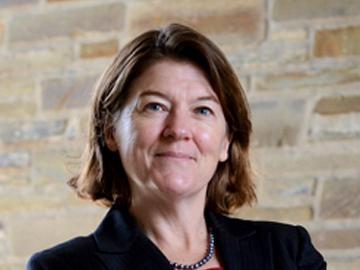
Does Focusing on Shareholder Value Hurt Shareholder Value?
Shareholders own the corporation, so managers should maximize returns for shareholders, right? Corporate law expert Lynn Stout says that there are problems with this argument, starting with the fact that legally shareholders don't own a corporation. On top of that, she says, prioritization of shareholder value harms returns in the long run
-

How Does Private Equity Work in India?
Private equity experts and investors in India describe a unique developing market where even with bountiful capital and few opportunities for anything but minority shares the sector is profitable and a key to harnessing the country's tremendous entrepreneurial energy
-

Can foreign retail benefit India?
Professor K. Sudhir discusses India’s move to expand the presence of foreign retailers to modernize the country’s retail sector and boost economic growth
-
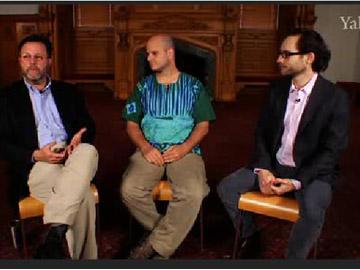
What Are The Realities Of Microfinance?
New research is debunking myths about microfinance and showing how organizations can effectively address problems associated with poverty. Yale faculty Dean Karlan, Tony Sheldon, and Rodrigo Canales discuss the problems and the promise in the field of microfinance and the lessons for other kinds of social enterprise.
-

Why Does Market Volatility Matter?
Market volatility has been at near-record levels in recent months, as investors respond to the uncertainty in Europe. Roger Ibbotson takes a historical perspective and argues that volatility, while frightening for individuals, can play an important role in the economy
-
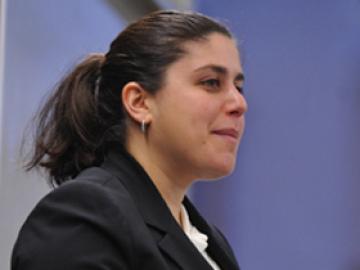
What Has Happened To The Labor Market In The Great Recession?
With 14 million people out of work in the U.S., labor markets are receiving a lot of attention. Yale SOM's Lisa Kahn did groundbreaking work on the impact of graduating into a bad economy. She offers her take on what's happening now and what to expect
-

Is Economic Inequality Too Big A Risk?
Does economic inequality provide incentives for success? Does it introduce instability into the financial system? A political scientist, Jacob S. Hacker and Robert J. Shiller, an economist discuss how inequality affects government, markets, and the risks faced by ordinary people
-

Do We Listen To Opinion Leaders?
Are there leaders in everyday life? A long body of literature argues that a small number of individuals have an outsize influence on what the rest of us buy, wear, and consume. But marketing professionals and scholars have been debating how to make use of these opinion leaders