Yale

Yale
-

Where Will Our Energy Come From?
Vast reserves of natural gas in Appalachian shale could shift the entire energy market. Indeed, if gas prices fall, the challenge of increasing the use of renewable sources of energy will rise
-

How Do Corporate Leaders Think About Sustainability?
Solving problems on the scale of climate change will require that businesses change what they sell and how they operate. The founder of a consulting firm specializing in sustainable business talks about how environmental issues are seen by executives and the business opportunities in sustainability.
-
Is Optimism Rational?
We learn in kindergarten to look on the bright side. But is optimism good for us?
-

What was Polaroid Thinking?
The basis for the instant camera was a chemical process that mimicked the darkroom. However, Polaroid was not unaware of the progress of electronic imaging
-

Robert Shiller: Economists Need to Take a Closer Look at How People Make Decisions
Decades of economic research have assumed people pursue their goals in a rational manner, discounting the effects of emotion, bias, error, and other irrational forces. Robert Shiller, Arthur M. Okun Professor of Economics at Yale University, argues that economists need to take a closer look at how people make decisions
-
What Do We Owe the Bottom Billion?
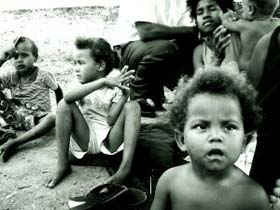
Princeton philosopher Peter Singer has been a prominent, often controversial, figure. His most recent book, The Life You Can Save, looks at the responsibilities of individuals for addressing global poverty.
-

What is the For-Profit Social Enterprise?
For-profit companies strive to maximize returns for investors, while non-profit organizations serve the public good. In recent years, a new model of for-profit social enterprise has emerged
-

How Do Foreign Companies Market to India?
Even in a globalized world, culture can create real differences in how products are received from country to country. This can lead to both challenges and opportunities for businesses, according to Julien Cayla of the Australian School of Business.
-
What's Next for Globalization?
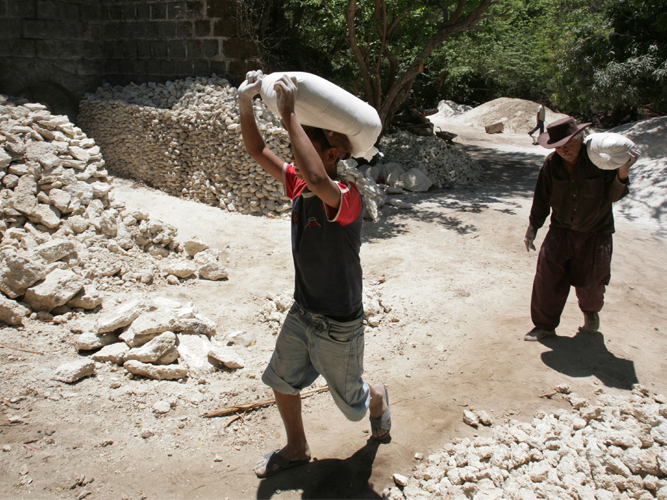
As the companies that were once the suppliers to multinationals have grown into multinationals themselves, competitors can suddenly come from anywhere, according to Hal Sirkin
-
Can the Business of Food Impact Climate Change?
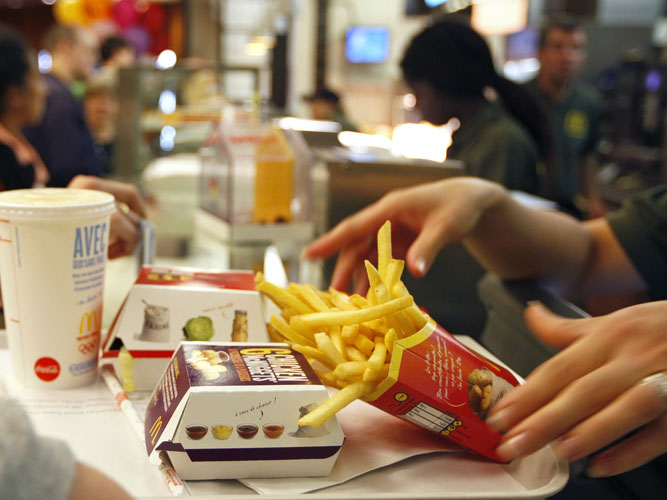
The food consumed annually by a family of four in the U.S. requires 970 gallons of gasoline to fertilize, produce, and transport. Helene York talks about one food service company's goal of reducing its carbon footprint while still maintaining a successful bottom line