3 Indian Cuisines We Really Need To See More Of
Last Updated: Jan 03, 2013, 06:54 IST2 min
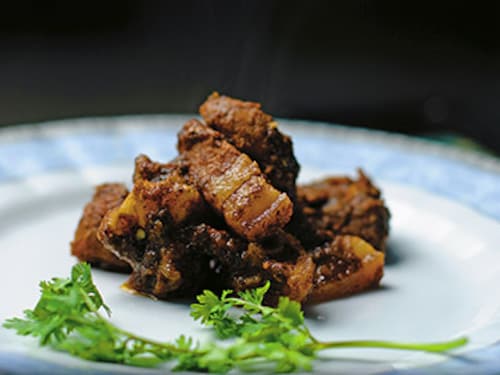
1. Kodava
For a district that’s barely 4,000 sq km in size, Kodagu (Coorg) in Karnataka produces a surprisingly varied range of cuisine. Few mainland cuisines in India embrace pork as whole-heartedly as the Kodavas do, so it’s only fitting that the pandi curry—a rich, slow-cooked pork dish that takes its signature dark colour from a vinegar called kachumpuli—should be considered an icon, but it ends up overshadowing tangy, light fish curries, delicate vegetable stir-fries and endless variations of staples created with rice. Tickling all the taste buds, this is a cuisine that has made a firm imprint on Bangalore—in the past six years, the number of Kodava restaurants has grown from one to three—and is now ready to take on palates in the further reaches of the country.
2. Saoji
Chances are if you’ve heard of the Saoji style of cooking, you’re from Maharashtra. Born of the working classes, it’s only in recent years that the cuisine has stepped outside roadside shacks—Nagpur and Sholapur are dotted with no-frills Saoji bhojanalayas—and into more upmarket restaurants. Ear-buzzing, sweat-inducing fieriness is the primary distinguisher of this cuisine, along with liberal use of oil. There is little record of the evolution of Saoji cuisine but the spice levels possibly had something to do with the region’s dry heat and the perceived low quality of the offal that was often all the weaving communities were able to afford. Though Saoji mutton and chicken (dry and rassa are the two standard varieties) are the most popular dishes, vegetarian dishes are not unknown. Oh, and did I mention that critics and fans aver with one voice that the food is extremely tasty? Marketed intelligently, Saoji could well replace Andhra food as the go-to meal of choice for hot-heads.
3. Ahomiya
While narrowing down this list, one of the criteria was that the cuisine should be something of a will-o’-the-wisp, that is, familiar enough to be welcome and at enough of a remove to be enticing. For a Bengali, that cuisine is undoubtedly Ahomiya, with its river fish, wild greens, mustard oil balanced by a plethora of fermented and dried foods, exotic tribal ingredients like the pupa of the eri silkworm and red ant eggs, as also the kolkhar—traditionally the water filtered through the ashes of dried and charred banana skins that is now frequently replaced with baking soda—used in cooking the first dish of the Ahomiya thali, the khar. There are almost as many kinds of Ahomiya cooking as there are households, and it’d be a rare eatery that would be able to present all the micro-cuisines from the length and breadth of Assam. But this is a restaurant-ready repertoire, waiting to unfurl its wings beyond Assam House in Delhi’s Chanakyapuri.
First Published: Jan 03, 2013, 06:54
Subscribe Now