18 Indian Minds Who Are Doing Cutting Edge Work
The wheels have been set in motion to win back some of the finest minds of Indian origin to align forces with their country of origin
By Seema Singh
Last Updated: Mar 03, 2012, 06:54 IST27 min

1. Chaitan Khosla
He developed a treatment for celiac sprue, a disease that affects many in India. His work in biodiesel is globally significant too.
Profile: He is chair, chemical engineering Wells H. Rauser and Harold M. Petiprin Professor in the School of Engineering Professor of Chemical Engineering, Chemistry, and Biochemistry at Stanford University.
His Main Area of Work: His research lies at the intersection of chemistry and medicine. He has been working with genetically modified soil bacteria to develop new medicines (called polyketides) to treat cancer, infections, and other diseases.
In 1995, he co-founded biotechnology company Kosan Biosciences, which was acquired by drug maker Bristol Myers Squibb in 2008. Later, he founded Alvine Pharmaceuticals, which is developing an oral enzyme drug discovered in his laboratory for the treatment of celiac sprue—an autoimmune disorder, triggered by gluten in cereals, that affects the small intestines.
Yet another company he’s founded, Flamentera AG, is focussed on developing novel biomarkers for gastrointestinal diseases.
In September 2011, he and his research team found that high volumes of biodiesel can be produced from bacteria where E. coli can be used as a catalyst. Khosla and his team are currently trying to find ways to enhance its cellular controls to push this further.
How His Research Can Benefit India: A decade ago, one in 1,000 of the population were affected by celiac sprue but the occurrence has increased. Today, one in 310 people in India are affected by the disease and one in 120-300 of the population in Europe and North America.
His work in biodiesel is globally significant too. If successful, his work could help propel biodiesel to a commercial market from the niche space it occupies now.
What They Say About Him: “Khosla can tackle huge challenges and makes strong efforts to move forward. With celiac disease, there was an unmet medical need with no treatment except a lifelong gluten free diet at the time he stepped in. He has showed a strong commitment to do something about this,” says Ludvig M. Sollid, director, Center for Immune Regulation, Research Council of Norway.
(Nilofer D’Souza)
2. Krishna PalemHe has deviced a new microchip that uses less energy also, his solar-powered notepad, iSlate, is being tested in India
Profile: He is head of the Rice-NTU Institute for Sustainable and Applied Infodynamics (ISAI), Singapore.
His Main Area of Work: His research is focussed on embedded computing, including low-energy computing and nanoelectronics. He’s pioneered a “pruned” microchip technology. An “inexact hardware” that drastically reduces power demands of microprocessors by allowing them to make mistakes, it is the harbinger of the next-generation power-stingy processors. Called probabilistic pruning, this technology makes the integrated circuits perform twice as fast, use half as much energy, and occupy half the space of the traditional circuits. This, says Krishna, is done by cleverly managing the “probability of errors and limiting which calculations produce errors”.
While doing this Palem has showed that the energy consumed by a computation could be traded for its accuracy. For applications such as digital image and video processing or cryptography, such integrated circuits can be designed to produce results to only the required accuracy, and therefore, the power needed for the computation can be drastically reduced.
How His Research Can Benefit India: Along with his team, he is creating a complete prototype chip for a specific application, a hearing aid to begin with. He has developed a solar powered iSlate, an electronic notepad, which is currently being tested in schools in Mohd. Hussainpalli village in Andhra Pradesh. In its 125th anniversary, IEEE recognised his PCMOS technology and iSlate as one of the seven “world changing technologies”.
What They Say About Him: “An unwavering theme of his vision has been to address the principal challenges to sustaining the performance and economic benefits of Moore’s Law. With probabilistic CMOS technology, he has perhaps shown the most profoundly original approach to tackling the barriers of power consumption and noise immunity in the continuation of the decades-long exponential improvement in the area and speed of the integrated circuits, known as the Moore’s Law,” says Moshe Y. Vardi, director of the Ken Kennedy Institute for Information Technology at Rice University.
(Seema Singh)
3. Rakesh AgrawalHe is working on efficient and cheap energy production from renewable sources such as solar and biomass.
Profile: He is Winthrop E. Stone Distinguished Professor of Chemical Engineering at Purdue University.
His Main Area of Work: Imagine being able to print out a solar panel on a flexible substrate to be able to spray-on a low-cost nanocrystal coating and assemble a thin film solar plant wherever power is needed. If Agrawal has his way, this dream may well be reality one day. He is working on two types of nanocrystals: Copper indium gallium selenide (CIGS), and Copper zinc tin sulfide (CZTS). His team has managed to reach 12.5 percent efficiency with CIGS, which is pretty close to what you get with silicon solar cells. CZTS has only 8.4 percent efficiency, but utilises earth-abundant materials which will decrease the cost as efficiency increases.
He is also looking for an efficient way to convert biomass to liquid fuel (like diesel) that can be used in transportation (which uses up about half the fossil fuel produced worldwide).
His Approach: Thin-film technologies have made photovoltaic materials more competitive, but costs need to reduce further. Agrawal’s aims to bring it below 50 cents/peak watt. US solar panel maker First Solar is currently the lowest cost producer of thin films at 74 cents/peak watt. Agrawal’s approach is to utilise nanomaterials that can be suspended in appropriate solvents and then deposited utilising high throughput capabilities. He hopes to commercialise the systems when he achieves efficiencies of about 15 percent.
How His Research Can Benefit India: India is grappling with huge energy shortages. If solar cells become cheaper and more easily available, it can change the dynamics of power production and availability in the country.
What Others Say About Him: “Agrawal has been developing what are called ‘ink based’ precursors to make the thin film solar cells of either CIGS or CZTS. The highest efficiencies reported for CZTSSe (Copper Zinc Tin Sulfo-selenide) has been about 10 percent. There appears, at this point, no fundamental reason why it should not be possible to exceed 15 percent efficiencies,” says Supratik Guha, director, Physical Sciences Department, IBM Thomas J. Watson Research Center.
(Cuckoo Paul)
4. Mriganka Sur Reveals the Mysteries of The Brain
5. Jayant Baliga's Invention Is A Power Saver
6. Harry Bhadeshia's steel connects UK, France
7. Aravinda ChakravartiA geneticist, he has has provided insights into many diseases, including hypertension, which afflicts many people in India
Profile: He is founding director, Center for Complex Disease Genomics, McKusick-Nathans Institute of Genetic Medicine, Johns Hopkins University School of Medicine. He is also professor, department of medicine, pediatrics, molecular biology and genetics, and department of biostatistics, Bloomberg School of Public Health, Johns Hopkins.
His Main Area of Work: He is one of the architects of the Human Genome Project, and has been a key participant of the HapMap and 1000 Genomes project. He has provided insights into many disorders. In September 2011, in a study involving 200,000 people across the world, he showed that there are 29 DNA sequence variations in the genome in Asians, Africans, Americans and Europeans, which influence blood pressure. The more ways we use to search for blood pressure genes, the better is our understanding of hypertension, he says.
His Approach: Many groups have rushed to translate the genomic information to therapies, but he says science comes first, therapies later. “Yes, I have hopes that we will understand diseases at a fundamentally better level and then the therapies will come. People believe that if we focus on translation, the translation to medicine will happen. I beg to differ: I think the translation will depend on a true understanding of the disease.”
How His Research Can Benefit India: Since 2000, he’s been working with the Department of Biotechnology and the Council of Scientific and Industrial Research. He was instrumental in setting up the new National Institute of Biomedical Genomics in Kalyani, West Bengal, and the Institute of
Molecular Medicine (IMM) in Delhi. The IMM is a private, non-profit research and educational institution focussed on biomedical research.
What Others Say About Him: “Much of what Aravinda says is right but some bit of translation is necessary, say 10-15 years down the road. It has been proven in physics and chemistry, and in stem cells in biology. It’s true, brute force statistical approach to genomic data has not yielded results. An integrated approach is needed and that’s what Aravinda is now undertaking,” says Samir K. Brahmachari, director general, CSIR.
(Seema Singh)
8. Chennupati JagadishHis work could make solar cells far more efficient through clever use of nanotechnology
Profile: He is Laureate Fellow and Distinguished Professor, Department of Electronic Materials Engineering, Australian National University. He is the winner of several IEEE honours.
His Main Area of Work: His research group is a leading light in the area of semiconductor nanowires. In the medical industry alone, devices based on nanowires are emerging as a class of ultra-sensitive electrical sensors for detecting chemical and biological agents of disease.
His current research is on new materials to replace silicon in solar cells, which will eliminate ‘reflection waste’. The average solar cell has an efficiency of about 10 to 15 percent. That is, only about 10 percent of the photons of sunlight striking it are converted into electrons of usable electricity. One of new materials he is testing is a class of semiconductor called III-Vs. With III-V solar cells, you could get an efficiency of over 40 percent when the cells are coupled with external optical concentrators.
His Approach: His work is at the intersection of semiconductors, optoelectronics, nanotechnology, photovoltaics and materials science.
How His Research Can Benefit India: Work in Jagadish’s lab could change the rules of how cells are made through clever use of nanotechnology and exotic structures in III-V semiconductors. India has an ambitious target to generate 20 GW from solar energy by 2022. Several national international research partnerships are being struck towards that goal and Jagadish’s lab could be one such partner.
What Others Say About Him: “Jagadish combines the insights of a physicist with the advanced technical abilities of an applied materials scientist to produce work of exceptional interest. The quality of the unique nanostructures that his group grows is remarkable—and absolutely crucial to making progress in fabricating newly imagined applications including photovoltaics or solar cells and ultrasensitive sensors,” says Howard E. Jackso, professor of physics, University of Cincinnati.
(Seema Singh)
9. Ajit LalvaniHe’s working on TB prevention, in collaboration with Indian institutes. He’s reported a radical new TB vaccine
Profile: He is Chair of Infectious Diseases, Imperial College London. The most cited TB researcher in the world, he founded and directs the Tuberculosis Research Unit, a world-leading multi-disciplinary research group. The Unit also researches sarcoidosis (a disease that causes inflammation in the lymph nodes, lungs, skin, or other tissues) and pandemic influenza.
His Main Area of Work: In 2009 Lalwani devised new diagnostics which use interferon-gamma release assay (IGRA)—the first major advance over the 100-year-old existing diagnostic test for TB. Until then, managing TB involved preventing disease progression from latent to active TB. Through the new diagnostics Lalwani showed that people can be protected against infection too. It now forms the basis of new guidelines for TB screening and prevention throughout the world.
Last year he published a whole new strategy for TB screening in the UK. “We found that if new immigrants from the Indian subcontinent are included for screening and preventative treatment for latent TB [rather than excluded as has hitherto been the case], we could really begin to turn the tide on TB in the UK and decrease the national burden of TB and at the same time improve the health and lives of immigrants from India to UK,” he says.
His Approach: Investigate a broad spectrum of fundamental questions in tuberculosis from immunology and microbiology to epidemiology, public health and policy.
The India Impact: Since India has a high incidence of TB, Lalvani works with Indian institutions like Hinduja Hospital, Mumbai, and Christian Medical College, Vellore. In 2011, he reported the discovery of a radical new TB vaccine target that could play a key role in making the most sensitive diagnostic test for TB ever. If incorporated into the IGRA that he invented, it could make that test 100 percent sensitive.
What Others Say About Him: “We are looking at latent TB detection in this country and we’ll look at protective correlates of immunity in tuberculosis but it’s too early to say what the research may bring up,” says Dr. Camilla Rodrigues, chairperson, Infection Control Committee, Hinduja Hospital.
(Nilofer D’Souza)
10. Vivek SharmaHe’s a leading name in the hunt for the Higgs boson, which will help us understand the origin of the universe
Profile: He is professor, department of physics, University of California, San Diego. He is a prominent name in the hunt for Higgs boson, a hypothetical elementary particle that is thought to give all matter mass. Experiments to find out whether or not the Higgs boson exists are currently being performed using the Large Hadron Collider (LHC) at CERN, in Geneva.
His Main Area of Work: He is now leading a team at CMS (Compact Muon Solenoid) detector at CERN that is looking for the Higgs boson, the last missing piece in the prevailing theory of the universe’s tiniest building blocks. To understand the origin of mass, it is important to first find the Higgs boson, says Sharma. Scientists at CERN have narrowed down the range of masses the Higgs could have.
His Approach: “Assuming we do discover it next year, there is a comprehensive plan of work already in place to measure its properties and pattern of its interaction with different types of sub-atomic particles. This will take about five years or so to complete,” he says. “If instead we manage to rule out the existence of the Higgs boson, then physics will be in chaos just as it was at the turn of the 20th century [brave new theories like quantum mechanics and relativity were born from that chaos].” So, in the no-Higgs scenario, there will be a lot of work to figure out the source of mass that we see in the universe.
The India Impact: High energy physicists from India have been participating in experiments at CERN and have contributed in building CMS, by way of hardware, software and analysis. CMS’ success in high energy physics will shape India’s future ambitions in experimental observations about the universe.
What they Say About Him: “Vivek is an excellent physicist and that is evident from his work, but what is equally important is his ability as a co-ordinator.
Analysing data collected by the CMS experiments is an extremely complicated task requiring frontline leadership. He has provided that eminently.
Under his leadership, CMS has been able to finish analysing almost all the data collected till date using eight to ten different methods of setting limits on the Higgs mass,” says Sudeshna Banerjee, CMS collaborator from TIFR.
(Seema Singh)
11. Sangeeta BhatiaShe uses micro- and nano-technology to treat diseases like Cancer, which is expected to spread at an alarming rate in India
Profile: She is professor of health sciences and technology, professor of electrical engineering and computer science, and director of Laboratory for Multiscale Regenerative Technologies at Massachusetts Institute of Technology (MIT).
Her Main Area of Work: She uses the tools of engineering, medicine and biology to understand and treat diseases. Her research is focussed on the applications of micro- and nanotechnology to tissue repair and regeneration. As an engineer looking at cancer, she reported in 2011 that nanoparticles can be used to increase the efficacy of chemotherapy drugs in tumours, and also help reduce the side effects.
Her Approach: Bhatia has built unique human microlivers by borrowing techniques from semiconductor manufacturing for better predicting the safety of drugs in humans. That led her to co-found Hepregen Corp which is supported by The Deshpande Center at MIT. The platform has now been used by over 20 drug companies, leading to redesigning of clinical trials of new drugs.
How Her Research Can Benefit India: Cancer is spreading at an alarming rate and soon 70 percent of the new cases will come from developing countries like India. She is also using her technology to develop a platform for drug screening against a form of malaria, which hibernates in the liver and has been part of the problem in malaria eradication efforts in the past.
Passionate About: She wants more women in science. “I co-founded an outreach organisation for middle school girls in 1993 and it is still going. We just hosted 30 girls [in November 2011] in our laboratory for hands-on experiments,” she says proudly.
What They Say About Her: “The most innovative work for cancer research is being done at the intersection of biology, engineering and science. Sangeeta is at the cutting edge of this practice and I have high hopes for her research impacting millions of lives in this world,” says Gururaj ‘Desh’ Deshpande, entrepreneur, mentor and member of President Obama’s Innovation Council.
(Seema Singh)
12. Veerabhadran RamanathanHe showed that soot plays a key role in climate change and now wants Indian villagers to help fight pollution by using efficient stoves
Profile: Distinguished Professor of Atmospheric and Climate Sciences, Scripps Institution of Oceanography, University of California, San Diego.
His Main Area of Work: Theoretical enquiry into climate change and field experiments that have brought unprecedented understanding of global warming. Until the 70s, CO2 was considered to be solely responsible for global warming, but Ramanathan showed the contribution of trace gases and chlorofluorocarbons (CFCs) to it. In the 90s, he found that soot from cooking plays a key role in climate change. This led to a pioneering study with Nobel laureate Paul Crutzen that discovered the Asian Brown Clouds (renamed to the more politically correct Atmospheric Brown Clouds).
His Approach: Conducts extensive field experiments using high-tech, unmanned aerial vehicles to study pollutants over vast geographical areas such as the Indian subcontinent.
His India Link: Ramanathan wrote a white paper in 2007 with Kalpana Balakrishnan, Director, WHO Collaborating Center for Occupational Health at Sri Ramachandra University in Chennai, on a global-scale project to reduce soot pollution by replacing traditional cooking stoves with more efficient ones. Project Surya, which provided biomass and solar cooking stoves to all households, was launched in Uttar Pradesh with UNEP funding in 2009.
How His Work Can Benefit India: If Indian villagers are able to reduce soot generation by using efficient stoves, they could not only help fight atmospheric pollution but also earn substantial money from carbon credits.
Passionate About: Conducting field experiments and inventing gadgets for them. Hates to be closeted inside laboratories.
What They Say About Him: “Project Surya is very challenging, especially because of the complexities in developing countries. What we are trying to do is use high-end science to evolve simple, scalable solutions,” says Kalpana Balakrishnan, who is leading the evaluation of clean cooking technologies
(Dinesh Narayanan)
13. Vamsi Mootha 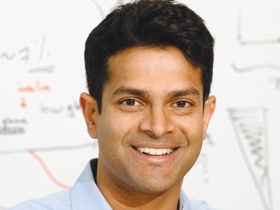 He showed a correlation between reduced mitochondrial activity inside a cell and type 2 diabetes, an epidemic in India
Profile: He is professor at Harvard Medical School, Massachusetts General Hospital and co-director of the metabolism program, Broad Institute, Cambridge.
His Main Area of Work: His research is mainly focussed on the mitochondrion, the “powerhouse of the cell”, and its role in human diseases. He has been using genomics and systems biology to define the “molecular anatomy” of mitochondria. With this molecular map in hand, he is advancing the study of rare metabolic disorders and common diseases. About seven years ago, he showed a correlation between reduced mitochondrial activity and the common form of diabetes. This work became the most cited (2,000 times) paper on diabetes research in the last decade. Recently, his group showed something happens inside mitochondria that predisposes people to diabetes. “If we could find that pathway within mitochondria, it might provide us with new strategies for preventing or even treating type 2 diabetes, something we desperately need,” says Mootha.
His Approach: He uses a multi-disciplinary approach that includes mathematics, computer science, biochemistry, and genetics. In a systematic search for the precise function within mitochondria that gets altered at birth or is modified by environment, his lab identified all 1,000 protein parts of this organelle. His lab’s two recent findings on how mitochondria handles its huge appetite for calcium—solution to a 50-year-old mystery—shows it could be an attractive drug target. “We have good reason to believe that mitochondrial calcium handling might represent the link between mitochondria and the development of type 2 diabetes,” he says.
How His Work Can Benefit India: His research will go a long way in the treatment of type 2 diabetes, an epidemic in India. “Unfortunately this is a ticking time bomb from a health and financial perspective,” he says.
What They Say About Him: “Vamsi is one of the most creative and analytical scientists I have ever met. It is unusual to find someone with both qualities,” says Edward Scolnick, director, Stanley Center for Psychiatric Research, Broad Institute former president of Merck Research Laboratories.
(Seema Singh)
14. Anil K. Jain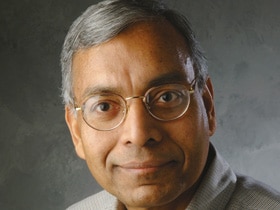 He is one of the pioneers of biometrics and his work will come in handy when taking biometrics of manual labourers
Profile: He is University Distinguished Professor in the Departments of Computer Science & Engineering, and
Electrical & Computer Engineering, Michigan State University
His Main Area of Work: Pattern recognition, computer
vision and biometric recognition. Jain is one of the pioneers of biometrics (some of the basic text books in the field are written by him, and he holds six patents in finger printing).
His Approach: Jain and his team have found ways to address finer issues in pattern recognition using sophisticated image processing and clustering algorithms. Recently, they came up with a solution to identify surgically altered fingerprints that automated systems can’t catch.
His India Link: He studied at IIT Kanpur, and after he moved to the US, collaborated with research groups at the Indian Institute of Science, Bangalore and Indian Statistical Institute, Kolkata. He was also a consultant for the UID (Unique ID) project.
How His Research Can Benefit India: The far-reaching impact of Jain’s work is likely to be seen in UID. His pioneering work in multi-biometric came in handy when the UID team was taking biometrics of manual labourers with fading finger prints.
Passionate About: Working on problems related to pattern recognition and computer vision, and training and guiding students in the field.
What They Say About Him: “Prof. Jain was one of the first to understand the biometrics field in its inception and translate the fundamental biometrics problems into mainstream pattern recognition problems,” says Sharath Pankanti, who has collaborated with Jain and works at IBM T.J. Watson Center
at Hawthorne NY.
(N. S. Ramnath)
15. Rajiv Doshi
He developed a new class of therapy for sleep apnea, a disorder that affects about 20 percent of urban Indian males
Profile: He is professor of medicine, Stanford University founder and CSO of Ventus Medical executive director of Stanford-India Biodesign (SIB) Program.
His Main Area of Work: Doshi recently founded Ventus Medical to develop and commercialise a new class of obstructive sleep apnea therapy, the first in 25 years. Sleep Apnea is a disorder marked by abnormal pauses or low breathing during sleep. An inventor at heart, an engineer by training, and an entrepreneur by design, Doshi believes medical technology innovation can be taught.
His India Link: He is executive director of SIB, which aims to train the next generation of medical technology innovators in India through fellowships, internships and events.
How His Research Can Benefit India: Sleep apnea is among the largest chronic diseases in the world, with about 20 percent of urban Indian males having it. Another new-in-class, an over-the-counter device for snoring, is under development. Doshi’s new, “expiratory positive airway pressure” nasal device, is US FDA-approved and particularly suitable for India where power supply can be erratic. Also, biodesign is important for India because so many Indians are medically under served due to the lack of cost-effective medical devices.
Passionate About: Mentoring. “My other major ‘product’ is the 17 fellows that have completed our SIB fellowship programme,” says Doshi. He thinks many of these fellows, who get a rigorous training in identifying needs from the society and then taking them through various filters to the prototype stage, will be among the leaders of the fledgling medical device industry in India.
What They Say About Him: “Dr Doshi’s role is pivotal for many reasons: There is a dearth of highly-experienced medtech innovators who understand all aspects of the innovation and commercialisation process. The last four years of this programme, under his leadership, have been very instructive,” says Anurag Mairal, director, Global Exchange Program, Stanford University.(Seema Singh)
16. Prashant Kumta
He works in the fields of energy and medicine. In gene therapy, he developed a safe and efficient way to deliver genes to cells
Profile: He holds the Edward R. Weidlein Chair in the Swanson School of Engineering and the School of Dental Medicine at University of Pittsburg. He has more than 150 refereed journal publications and holds four patents.
His Main Area of Work: His work spans two different fields—energy and medicine. In energy storage, he works with nano particles and in medicine, with biodegradable nano materials that has applications in gene therapy and regenerative medicines.
His Approach: In the mid-90s, he asked a game changing question: Why not create degradable ceramic material using calcium and phosphate? That led to at least two breakthroughs—one in gene therapy and the other in regenerative medicine. In gene therapy, he developed a safe and efficient way to deliver genes to cells. By combining nano materials with other materials, he has found a way to stabilise the bone wound and enhance regeneration. This patented work is slated to proceed for FDA approval. In energy, Kumta’s research could lead to a new generation of lithium-ion batteries that can store more power and last longer.
His India Link: Kumta has a B. Tech in metallurgy from IIT Bombay. He is in discussion with Prof. Rudra Pratap at the Indian Institute of Science, Bangalore, to initiate some collaborative work in biotechnology.
How His Research Can Benefit India: India is set to become one of the biggest consumers of electronic goods like mobile phones, cameras and laptops even before power infrastructure catches up. His work in energy storage will help.
Passionate About: Doing excellent scientific work. “I remain hopeful that the scientific work will lead to novel technologies for improving the quality of life all over the world,” he says.
What They Say About Him: “I have known Prof. Kumta for nearly 20 years... No challenge was too great for Prashant: Intellectual or personal,” says Aloysius F. Hepp, Editor-in-Chief, Materials Science in Semiconductor Processing.
(N. S. Ramnath)
17. Rakesh K. Jain 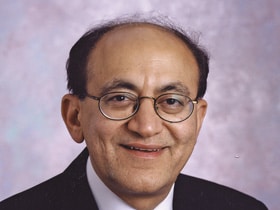 A pioneer in tumour biology and in vivo imaging, he has shown that blood vessels can be exploited to improve cancer therapy
Profile: He is director, Edwin L. Steele Laboratory for Tumor Biology at Massachusetts General Hospital (MGH) Andrew Werk Cook Professor of Tumor Biology, Harvard Medical School
His Main Area of Work: He is a pioneer in tumour biology and in vivo imaging with more than 500 publications. In the late 1990s, a cure for cancer looked plausible with Harvard University’s Judah Folkman proposing a new theory of angiogenesis—starving cancer cells of their blood supply by using anti-angiogenesis agents. But clinical studies were discouraging. Since then, Rakesh Jain and his colleagues have shown that blood vessels can be exploited to improve Cancer therapy, but not in the way Folkman was suggesting.
His Approach: In many studies he showed that rather than destroying blood vessels that support tumours, these agents work by “normalising” the blood vessels. In other words, make the tumour blood vessels look like healthy tissue by using lower doses of anti-angiogenic drugs. He showed this approach helped the patient respond much better to chemotherapy and radiation. Since one of the biggest hallmarks of his work is translational research—taking lab research to the bedside—clinicians at MGH have validated his “vascular normalisation” therapy. Jain is currently signing up agreements with pharmaceutical companies to run further trials in some solid tumours that grow in areas like the brain, colorectal and liver.
His India Link: Jain did his B.Tech from Indian Institute of Technology, Kanpur.
How His Research Can Benefit India: Cancer is spreading at an alarming rate, especially in developing countries like India, which are expected to show steep growth in number of cases reported. Jain’s work will go a long way in giving effective treatment for those suffering from the disease.
What They Say About Him: “The Edwin Steele Laboratory under Dr. Jain’s leadership has become one of the most productive translational hubs of cancer research in the world,” says Jay S. Loeffler, Chair, Department of Radiation Oncology, Massachusetts General Hospital
(Seema Singh)
18. Ajay V. Bhatt
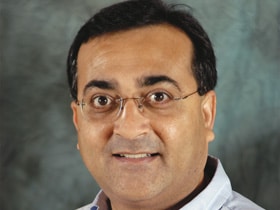 He was the lead architect responsible for one of the most ubiquitous technologies in the computing world: The USB
Profile: He is an Intel Fellow and Chief Client Platform Architect for the Intel Architecture Group at Intel Corp.
His Main Area of Work: There’s a reason why Intel chose to make Bhatt the ‘rock star’ in their 2009 ad campaign (although he was portrayed by a professional actor)—he was the lead architect responsible for one of the most ubiquitous technologies in the computing world: Universal Serial Bus or USB. Every year, billions of new devices like PCs, smartphones, webcams and printers are able to communicate with each other at high speeds due to Bhatt’s pioneering work in devising a one-size-fits-all cable format that could transport both data and power. Bhatt was also the lead architect behind two other blockbuster technologies at Intel—the Accelerated Graphics Port (AGP) and its successor, PCI Express.
His Approach: As computing devices get smaller, cheaper and ubiquitous, Bhatt is now shifting his priorities to “think more outside in”. This includes work to make PCs boot instantly, last on batteries all day, become almost as thin as today’s mobile phones and tablets and work seamlessly with a host of other non-PC devices. “My primary focus these days is on improving and completely reengineering the PCs as we know it,” says Bhatt.
His India Link: He did his B.E. in electronics from Maharaja Sayajirao University, in Baroda, Gujarat.
Passionate About: Photography, travel and meeting people from different countries and cultures. He’s been learning photography from some of the world-renowned photographers for about 10 years now. His camera always goes with him.
What They Say About Him: “USB has today become a foundational technology. Considering that the standard was defined over 10 years ago but is widely used (albeit with speed upgrades) today—for instance most new smartphones use it to exchange data as well as draw power—is testament to the fact that it was very well thought out and turned out to be future-proof,” says Prof. Huzur Saran, Head, Departments of Computer Sciences and Engineering, IIT-Delhi
(Rohin Dharmakumar)
HOW WE SELECTED
As we went about identifying the leading lights in the field of science and technology, we looked for a good mix of subjects, geographies, topicality and the big-picture aspect of their work. We then asked our panelists to shortlist the three most influential scientists, whose work has a far-reaching impact.
The Jury Panel
Sabyasachi Bhattacharya
A Distinguished Professor at the Tata Institute of Fundamental Research.
“Innovation is not a magic potion it’s a mode of engaging with the world. In our country, the educated are not innovative and the innovative are not educated. The need for change is widely felt today. Hopefully, we will finally take effective steps instead of hand-wringing alone.”
Mano Manoharan
General Manager, GE Global Research Centre, JFWTC, Bangalore.
“The quality of all the nominations was outstanding and it was a tough decision to choose amongst them. It was a learning experience for me personally since I went and read up on some of the topics these experts worked in.”
Ajay Sood
Professor of Physics, IISc, and president, Indian Academy of Sciences.
“Indian researchers are not sensitive to the applied side of their work. We are moving in
the applied research direction, but it’s too slow. We have to move much faster.”
Chetan Chitnis
Principal Investigator, International Centre for Genetic Engineering and Biotechnology, New Delhi.
“The scientific enterprise is not growing in the West it’s growing in India. But we have to pick the best people, find ways to attract people who’d have got jobs at places like MIT, Berkeley, or NIH but who still choose to come to India.”
First Published: Mar 03, 2012, 06:54
Subscribe Now